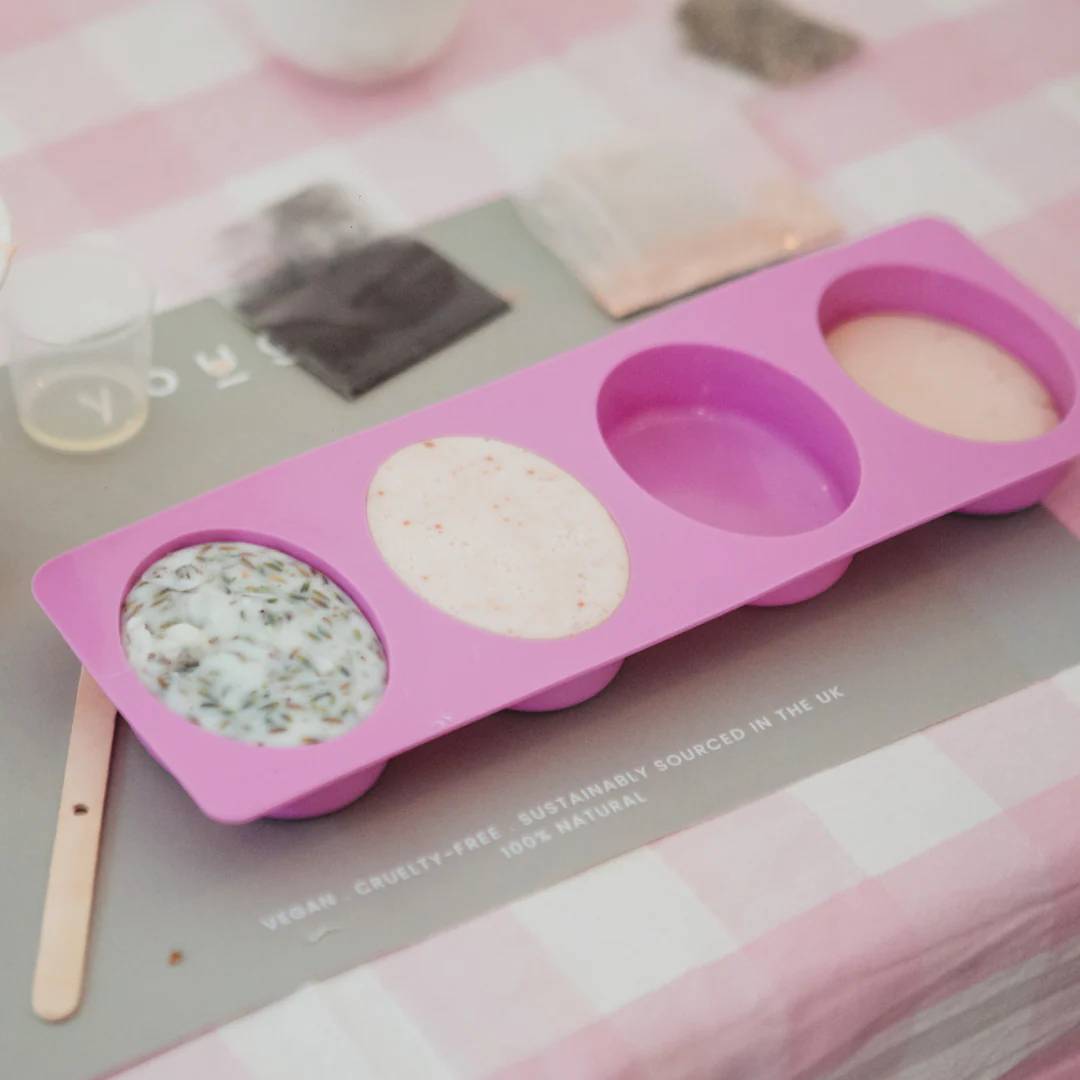
Diving into soap-making is like stepping into a laboratory of colors, textures, and fragrances that await transformation. Making your own soap isn’t just a hob; it’s an opportunity to craft personalized creations that elevate everyday routines. But before plunging into bubbling oils and aromatic blends, understanding what makes a kit truly exceptional is key.
What Supplies Do I Need for Soap-Making?
Embarking on soap-making demands some essential tools and ingredients. You’ll require molds to shape your bars, a reliable scale for precise measurements, and heat-resistant mixing utensils. Oils such as olive, coconut, or shea butter form the base, while lye initiates saponification—the magical chemical reaction that turns fats into soap. Water, colorants, and fragrances round out the essentials. Even a modest set can spark imagination, allowing beginners to experiment without feeling overwhelmed.
Is Making Soap Profitable?
Soap crafting can blossom into a profitable venture. Handmade bars command higher prices due to their artisanal quality, natural ingredients, and distinctive scents. Profitability depends on creativity, branding, and appealing to customers who value eco-friendly, skin-nourishing products. While ingredient costs fluctuate, many crafters discover that small, meticulously crafted batches can generate satisfying returns while fueling passion for the craft.
How Do I Start Making My Own Soap?
Begin small. Experiment with manageable batches to familiarize yourself with the textures and chemical reactions involved. Accurate measurements are crucial, as is handling lye safely. Once oils and lye are combined, stirring, pouring, and allowing the soap to cure transforms raw materials into aromatic, silky bars. Each batch teaches subtle lessons that refine technique, helping you experiment with new textures, colors, and combinations confidently.
What Are the Best Fragrances for Soap Making?
Fragrance defines the experience of handmade soap. Essential oils like lavender, peppermint, and citrus invigorate the senses, while exotic scents such as ylang-ylang, sandalwood, or patchouli offer depth and sophistication. Layering complementary notes can create signature scents, and fragrance oils ensure consistency for beginners eager to explore complex aromas. Each choice turns ordinary soap into a small indulgence.
What Is Cold Process for Soap Making?
Cold process soap-making is a traditional method where oils and lye interact at room temperature, triggering saponification. Unlike melt-and-pour techniques, this method allows complete control over ingredients, color, and texture. Patience is required—cold process soaps need several weeks to cure—but the payoff is a durable, luxurious bar that can be customized endlessly with swirls, additives, and fragrances.
What Is the Best Organic Soap Making Kit?
For crafters who value purity, an organic soap making kit can transform the process into a mindful experience. Look for kits featuring unrefined oils, herbal extracts, and biodegradable molds. Premium kits combine coconut oil, shea butter, and essential oils to produce nourishing, aromatic bars. Such kits cater to both beginners and seasoned artisans, offering a sustainable, skin-friendly approach that makes every bar feel intentional and luxurious.
Choosing a soap making kit thoughtfully ensures your creative journey is smooth, enjoyable, and safe. With the right tools and ingredients, your hands can sculpt bars that delight the senses, turning a simple craft into a fragrant, tactile adventure.